Async Communication for Remote Teams: How to Stop Living in Slack
Async communication should help remote teams protect focus, make decisions clearer, and stop treating every Slack message like an emergency.

Work From Anywhere Guides blog features tips on productivity, inspiration, and strategies to thrive in a remote work environment. Explore the future of remote work with us!

Async communication should help remote teams protect focus, make decisions clearer, and stop treating every Slack message like an emergency.
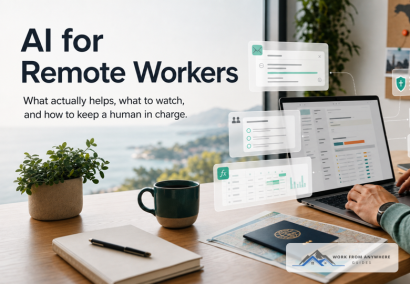
AI went from party trick to everyday tool faster than almost anything else in tech. If you work remotely, it can genuinely save you hours a week. It can also waste your time, embarrass you, or leak something you didn't mean to share. The trick is knowing which is which. Here's where AI actually earns its keep for remote work, where it doesn't, and how to use it without creating a mess.
Taxes are the least fun part of working remotely, and they're also where people quietly lose the most money. The rules shift a little every year, and if you moved, started freelancing, or worked from another country in 2025, your return is going to look different this time. Here's what's worth checking for the 2026 tax year. One caveat up front: the specifics depend on where you live and work, and they change, so treat this as a map, not the final word, and confirm the numbers with your tax authority or an accountant.
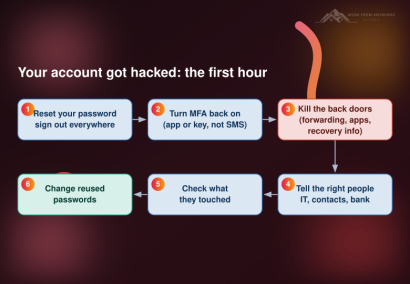
You go to log in and your password doesn't work. Or a friend messages asking why you just emailed them a weird link. That sinking feeling is real, but the worst thing you can do is freeze. The first hour after an account gets hacked decides how bad this gets. Attackers move fast, so you have to move faster, and in the right order. Here's exactly what to do.
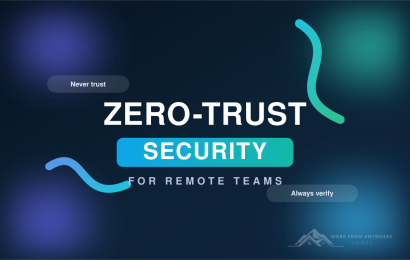
Your team doesn't work in an office anymore. They work from kitchen tables, a friend's spare room, a café with the password taped to the wall. The old way of securing a company assumed everyone worth trusting was inside the building, behind the firewall. That assumption is gone, and pretending otherwise is how breaches happen. Zero trust is the fix, and the idea behind it is short: trust nobody by default, check everything, every time.

Remote work has grown by leaps and bounds in the last few decades. It was once an exclusive niche for only the most tech-savvy professionals but has since become a mainstream working model adopted by millions worldwide. From online freelance platforms that first made it possible to the COVID-19 pandemic that sent the whole world home, it has transformed our understanding of employment, productivity, and workplace culture. This blog post undertakes the journey of remote work from a niche practice toward becoming the new normal and what the future may hold.

Blockchain can help remote workers with payments, escrow, contracts, and credentials, but it also brings scams, fees, volatility, and tax work.

Emerging technologies form the new future for remote work, promising improved productivity, communication, and collaboration. As businesses and individuals embrace working remotely, new emerging technologies become the face of how we work, collaborate, and stay connected. We will examine these technological developments in the blog post, exploring those that will revolutionize remote work in the next years.

This is changing the dynamics with which teams work in efficient collaboration and communication and, thus, remain productive. Video conferencing and collaboration tools bridged the difference between in-person and remote work to some extent, but virtual reality is an entirely new story. Virtual reality can change the remote work experience, making the life of an employee more vivid, creating virtual offices, or even boosting cooperation and collaboration. In this blog post, we'll discuss the changes of remote work through virtual reality and what the future of such a reality-enhancing technology might bring.