Can You Work Remotely From Another Country? Check These Rules First
Before working remotely from another country, check immigration, employer approval, taxes, social security, data access, and insurance.

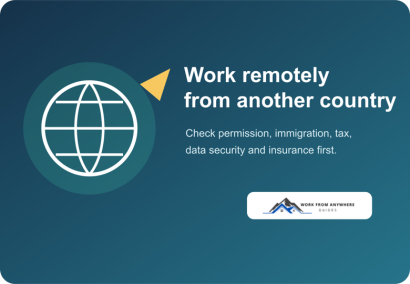
Before working remotely from another country, check immigration, employer approval, taxes, social security, data access, and insurance.
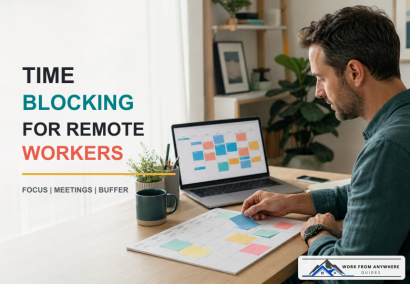
Time blocking for remote workers works when the calendar protects focused work, groups meetings, and leaves enough buffer for a week that changes.
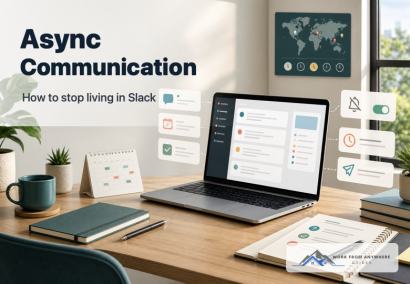
Async communication should help remote teams protect focus, make decisions clearer, and stop treating every Slack message like an emergency.
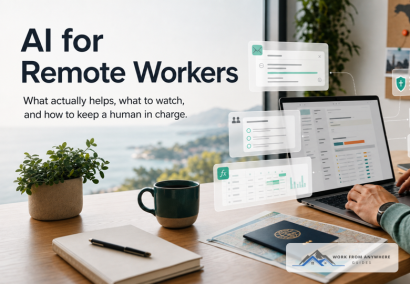
AI went from party trick to everyday tool faster than almost anything else in tech. If you work remotely, it can genuinely save you hours a week. It can also waste your time, embarrass you, or leak something you didn't mean to share. The trick is knowing which is which. Here's where AI actually earns its keep for remote work, where it doesn't, and how to use it without creating a mess.
Taxes are the least fun part of working remotely, and they're also where people quietly lose the most money. The rules shift a little every year, and if you moved, started freelancing, or worked from another country in 2025, your return is going to look different this time. Here's what's worth checking for the 2026 tax year. One caveat up front: the specifics depend on where you live and work, and they change, so treat this as a map, not the final word, and confirm the numbers with your tax authority or an accountant.
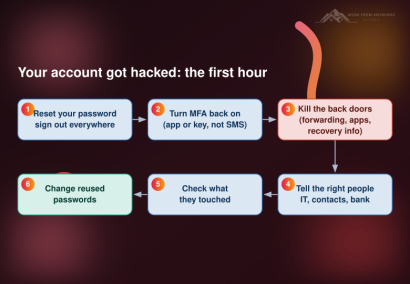
You go to log in and your password doesn't work. Or a friend messages asking why you just emailed them a weird link. That sinking feeling is real, but the worst thing you can do is freeze. The first hour after an account gets hacked decides how bad this gets. Attackers move fast, so you have to move faster, and in the right order. Here's exactly what to do.
Your team doesn't work in an office anymore. They work from kitchen tables, a friend's spare room, a café with the password taped to the wall. The old way of securing a company assumed everyone worth trusting was inside the building, behind the firewall. That assumption is gone, and pretending otherwise is how breaches happen. Zero trust is the fix, and the idea behind it is short: trust nobody by default, check everything, every time.

Nowadays, in this work-from-home era, the effective application of digital safety remains key. Unfortunately, most organizations deal lightly with cybersecurity, failing in corrective measures, because of which they have to bear major blows. The present case study looks into one realistic experience of a remote team that seriously suffered due to a lack of effective digital safety measures, causing data breaches, issues of client trust, and financial damages.

With the rise in the prevalence of remote work in society, there came almost an equal rise in cyber threats targeting individuals working away from the office. Cybercrime has taken advantage of these opportunities because they know the vulnerabilities that arise when employees work outside a controlled office setup. Thus, to stay safe, grasping these newly developed threats and acquiring appropriate information on effective ways to evade them is mandatory for a secure and safe setup at home or any other point. Based on that, we will proceed now to discuss some common cyber threats many remote workers are exposed to and give to you an array of practical tips and strategies on how you can best make yourself safe while working from the comfort of your home or any other remote location.