Freelance Contract Checklist: Scope, Payment, Revisions, and IP
Use this freelance contract checklist to clarify scope, revisions, payment, ownership, confidentiality, delays, and project cancellation.


Use this freelance contract checklist to clarify scope, revisions, payment, ownership, confidentiality, delays, and project cancellation.
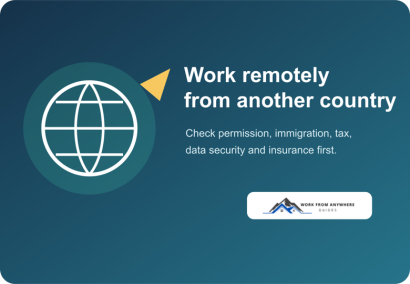
Before working remotely from another country, check immigration, employer approval, taxes, social security, data access, and insurance.
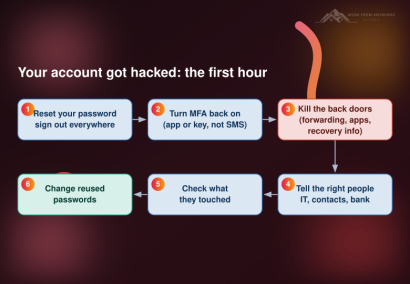
You go to log in and your password doesn't work. Or a friend messages asking why you just emailed them a weird link. That sinking feeling is real, but the worst thing you can do is freeze. The first hour after an account gets hacked decides how bad this gets. Attackers move fast, so you have to move faster, and in the right order. Here's exactly what to do.

Nowadays, in this work-from-home era, the effective application of digital safety remains key. Unfortunately, most organizations deal lightly with cybersecurity, failing in corrective measures, because of which they have to bear major blows. The present case study looks into one realistic experience of a remote team that seriously suffered due to a lack of effective digital safety measures, causing data breaches, issues of client trust, and financial damages.

As remote work picks up pace across the broader spectrum of industries, digital safety tools become paramount. The alarming rise in cyber threats and the potential danger of working from remote locations make it unable to be highlighted more that it is upon the remote workers to ensure they make use of the right tools to protect their sensitive data, respect their privacy, and keep all online activities safe from attacks. In this enlightening blog, we dive deep into bringing forth a comprehensive guide that will take a leap through all the indispensable digital safety tools every remote worker needs to inculcate into their routine for staying safe and sound across this swiftly changing digital landscape of today.

With the rise in the prevalence of remote work in society, there came almost an equal rise in cyber threats targeting individuals working away from the office. Cybercrime has taken advantage of these opportunities because they know the vulnerabilities that arise when employees work outside a controlled office setup. Thus, to stay safe, grasping these newly developed threats and acquiring appropriate information on effective ways to evade them is mandatory for a secure and safe setup at home or any other point. Based on that, we will proceed now to discuss some common cyber threats many remote workers are exposed to and give to you an array of practical tips and strategies on how you can best make yourself safe while working from the comfort of your home or any other remote location.

This new way of working brings greater digital safety responsibilities to the employer. While workers need to be personally cautious about their online environment, it is the employer who sets up a framework for secure remote work. This blog discusses the role of an employer in ensuring digital safety for their remote teams and steps on how to achieve it.

Protection of your digital environment is critical now more than ever, with remote work becoming the norm. Freedom to work from anywhere brings with it a sense of responsibility to ensure that your data and communications are secure. The blog will help you run through top digital safety practices every remote worker should implement in order to protect themselves and their organizations from cyber threats.

This new way of working has brought flexibility and convenience to the forefront but bears risks not envisioned earlier. With increasing numbers of people working from home, the issue of digital safety could never be more critical. Cyber threats are getting worse by the day, and remote workers become the easiest of targets. In this blog post, we take a closer look at why digital safety is of prime importance within the new-age remote work framework and how you can safeguard yourself and your organization.