Why Digital Safety is Crucial in the Remote Work Era

Blog Intro

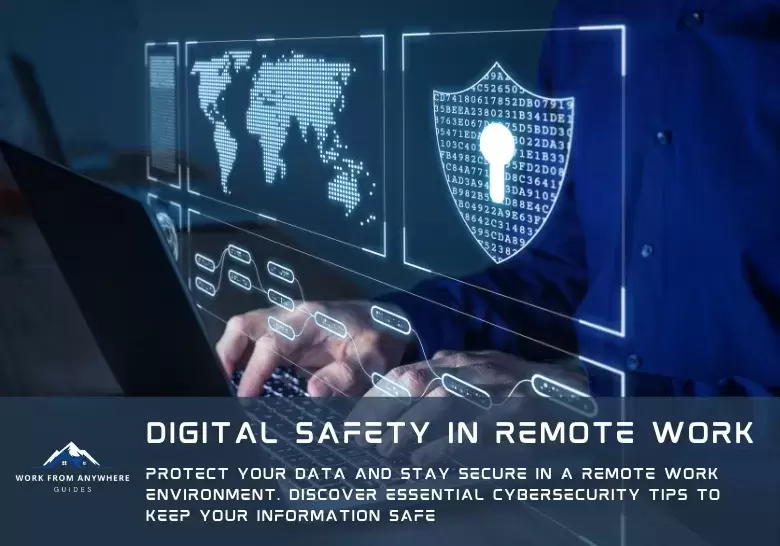
This new way of working has brought flexibility and convenience to the forefront but bears risks not envisioned earlier. With increasing numbers of people working from home, the issue of digital safety could never be more critical. Cyber threats are getting worse by the day, and remote workers become the easiest of targets. In this blog post, we take a closer look at why digital safety is of prime importance within the new-age remote work framework and how you can safeguard yourself and your organization.

Image
Why Digital Safety is Crucial in the Remote Work Era

1. Increased Cyber Threats

Key Aspects:

  • Targeted Attacks on Remote Workers: One of the most substantial reasons why cybercriminals are more quickly centralizing their attacks onto remote workers is because the work these workers do is outside the security environments of the office. The most common threats are phishing attacks, malware, and ransomware.
  • Vulnerable Home Networks: Home networks are generally weaker than office networks, and cyber attack risks are certainly much higher there.

Benefits:

  • Knowledge of these threats enables one to do something in advance to protect one's data and devices.
  • Encourages one to apply more stringent security measures in the home environment.
  • Less risk of being attacked by cybercriminals themselves.

2. Protecting Sensitive Data

Key Aspects:

  • Data Breaches: There is an increased level of data breach as a result of the data sent via insecure networks. The information exposed comprises the sensitive company information, personal information of clients, and other personal information.
  • Compliance with Regulations: Data privacy is highly regulated in most industries. Negligence in ensuring data security can attract heavy fines and legal issues.

Benefits:

  • Safeguarding data ensures confidentiality with sensitive information.
  • Ensures compliance with industry guidelines.
  • Gains trust with clients and stakeholders to prove a responsible approach to data security.

3. The Role of Secure Communication Tools

Key Aspects:

  • Encrypted Communication: With the use of encrypted communication tools, one is guaranteed that the conversation or data transfer is safe from eavesdropping and interception.
  • Secure File Sharing: A remote worker will need to share files with colleagues and clients. Secure file-sharing platforms avoid unauthorized access to sensitive documents.

Benefits:

  • Ensures all communications against cyber threats.
  • Lays the foundation for avoiding unauthorized access to sensitive documents and information.
  • Ensures a safe working environment when working remotely.

4. Importance of Strong Passwords and Multi-Factor Authentication

Key Aspects:

  • Strong Password Policies: One of the easiest ways of enhancing digital security is by enforcing strong password policies. These involve complex, unique passwords that are to be updated from time to time.
  • Multi-Factor Authentication (MFA): One of the easiest ways of enhancing digital security is by enforcing strong password policies. These involve complex, unique passwords that are to be updated from time to time.

Benefits:

  • It aids in lessening the risk of unauthorized access to accounts and systems.
  • An additional layer of security is provided instead of only passwords.
  • Helps in safeguarding sensitive information from getting compromised.

5. Employee Training and Awareness

Key Aspects:

  • Regular Security Training: How regularity of training on the most current cyber threats and best practices in security needs to be conveyed to employees. Awareness is the first defense against cyber attacks.
  • Phishing Simulations: Run phishing simulations to let staff members identify them and avoid them. Most of the time, this is the vector that hackers use to gain access to systems.

Benefits:

  • Empowers workers to get involved in protecting the digital assets of their organization.
  • Diminishes the possibility of cyberattacks succeeding.
  • Drives a security culture into an organization.
Conclusion

Digital safety is more important than ever in the era of remote work. This shift toward remote work increased the risks of cyber threats, data breaches, and unauthorized accesses. Knowing the risks and having robust measures in place can help you protect yourself, your data, and the organization. It spans everything from secure communication tools to training employees for the best practices in cybersecurity—the steps one needs to take toward a safe and secure remote work environment.

Call to Action: How do you ensure digital safety when working remotely? Share your tips and experiences in the comments below!

Share this
Written by

Shammas ul haq

Hello there, my name is Shammas, and I've been working remotely for over eight years now. I'm going to share some tips and tools and experiences with you that can really help you navigate through this flexible working environment. Join me at Work From Anywhere Guides as we go through into the future of work, productivity hacks, and strategies behind maintaining a great work-life balance.

Leave a Reply

Restricted HTML

  • Allowed HTML tags: <em> <strong> <cite> <blockquote cite> <code> <ul type> <ol start type> <li> <dl> <dt> <dd> <h2 id> <h3 id> <h4 id> <h5 id> <h6 id>
  • Lines and paragraphs break automatically.
  • Web page addresses and email addresses turn into links automatically.

Comments